Fri, 1/23/26 4:53 PM
🌥 Clouds, 19°F

Farm Talk

Practical information for farmers, landowners, and gardeners — drawn from years of working Kansas ground and the trusted research of K-State Extension. Browse by topic or dig into an article below.

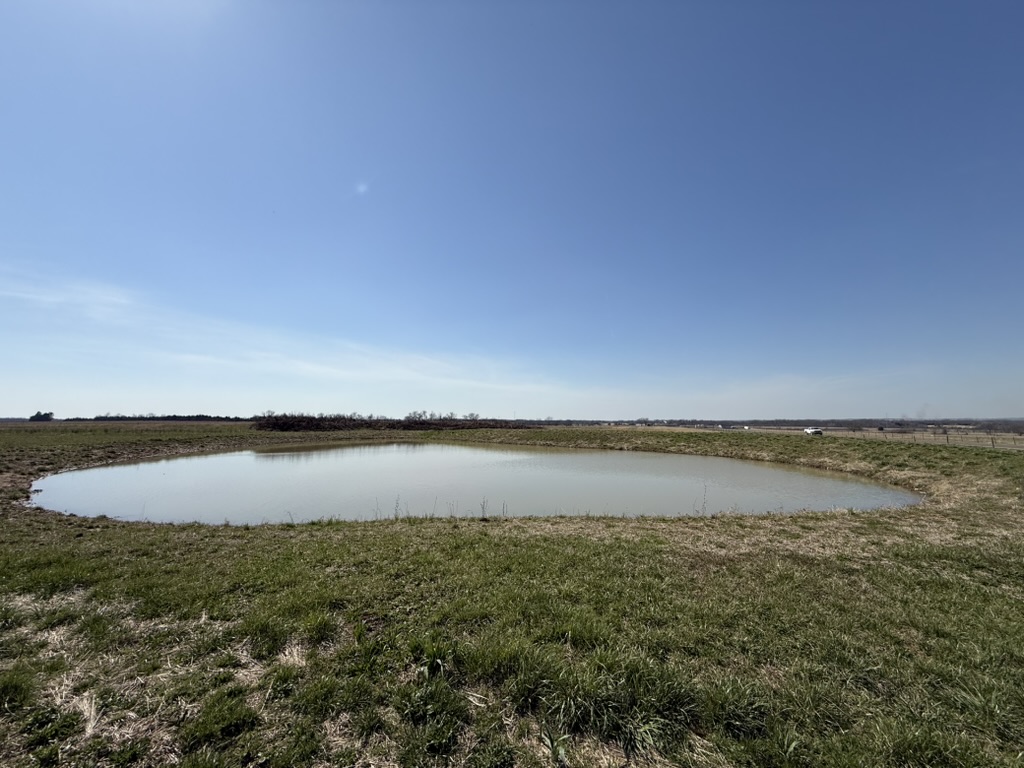
Prescott farm pond with hay bales and blue sky reflected in water

Understanding Algae Growth in Kansas Farm Ponds

Algae blooms are one of the most common — and most misunderstood — challenges on Kansas farms. Learn what's really driving that green water, which types are harmless and which are dangerous, and what you can do about it without breaking the bank.
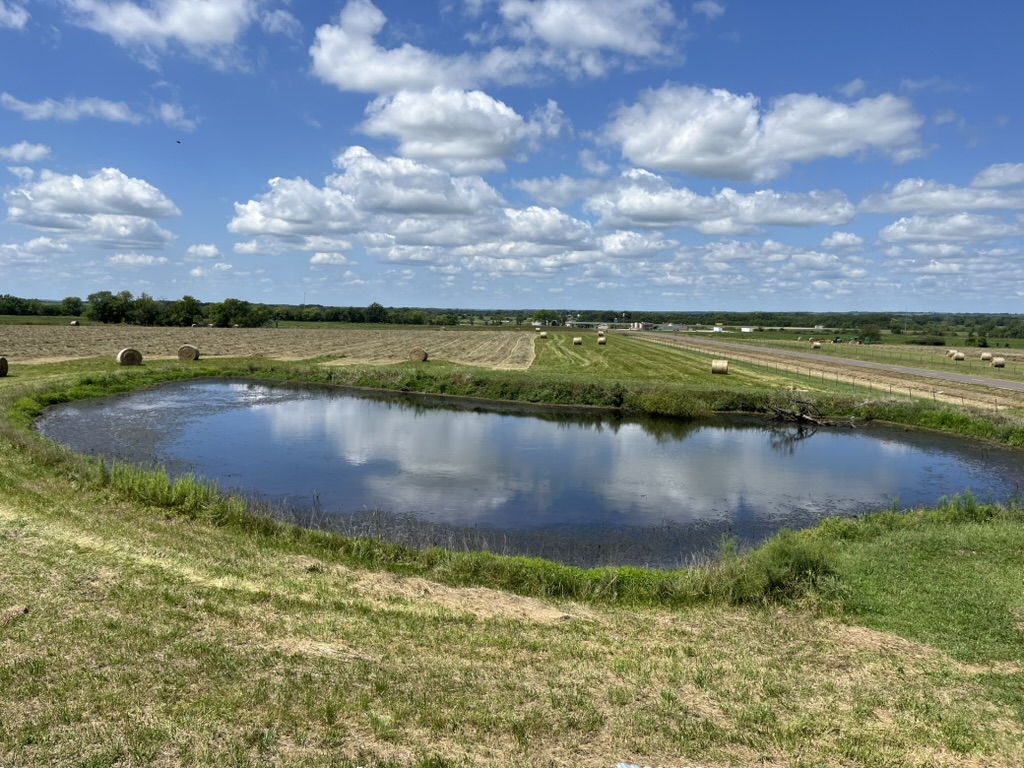
📄 Download Paper "Restoring a Kansas Farm Pond: Controlling Algae Through Dredging" — brief paper authored by John S. Sutherland, High Linn Farms, including photos of the dredging process.
Prescott farm pond before dredging — High Linn Farms
Before dredging — High Linn Farms, Prescott property
Prescott farm pond after dredging — High Linn Farms
After dredging — High Linn Farms, Prescott property

📷 Photos by John Sutherland — High Linn Farms Prescott property pond dredging project

Why Do Farm Ponds Get Algae?

Algae growth in farm ponds is driven primarily by excess nutrients — especially phosphorus and nitrogen — combined with warm temperatures and sunlight. Runoff from fertilized fields, livestock waste near the water's edge, and decomposing organic matter on the pond bottom all contribute to nutrient loading. Once nutrients reach a tipping point, algae populations can explode seemingly overnight.

Kansas summers are practically ideal for algae: warm shallow water, long sunny days, and limited wind mixing in smaller ponds. The result is the bright green "pea soup" appearance many landowners know well.

Types of Algae — and Why It Matters

Not all algae are created equal. The most common types you'll encounter in Kansas ponds include:

  • Filamentous (string) algae — forms green mats that float or cling to the bottom. Unsightly but generally not toxic.
  • Planktonic algae — microscopic, turns water green or brown. Can include harmless green algae or dangerous cyanobacteria.
  • Blue-green algae (cyanobacteria) — this is the one to watch. Certain species produce toxins that can kill livestock, dogs, and fish. It often appears as a blue-green or olive scum concentrated on the downwind shore.

If your pond smells musty or like rotting plants, and you see a surface scum that looks like spilled paint or thick pea soup, treat it as potentially toxic until confirmed otherwise. Keep livestock and pets away.

Management Options

There's no single fix for pond algae, but a combination of approaches works well for most Kansas farm ponds:

  • Reduce nutrient inputs — fence livestock out of the pond and direct runoff away from the water's edge. This is the most impactful long-term step.
  • Aeration — a bottom diffuser or surface aerator improves oxygen levels, discourages cyanobacteria, and helps the pond self-clean. Most cost-effective option for actively managed ponds.
  • Copper sulfate — a traditional treatment for green water. Effective but must be applied carefully; overuse can crash oxygen levels and kill fish. Always follow label rates based on pond volume.
  • Biological controls — grass carp can control submerged vegetation (which competes with algae for nutrients), but require a Kansas permit. Barley straw is a slower natural option sometimes used in smaller ponds.
  • Dredging — when nutrient-rich sediment has built up on the bottom over decades, dredging removes the internal nutrient source. It's a significant investment but can reset a pond's health for many years.

When to Call for Help

If you're dealing with repeated toxic algae blooms, fish kills, or a pond that hasn't responded to treatment, it may be time to bring in a professional. K-State Research & Extension offers pond management resources and can connect you with local specialists. The Kansas Department of Health and Environment (KDHE) can also test water samples when toxic algae is suspected.

📢 A Note from the Property — Fill Dirt

The dredging project at our Prescott pond left a sizable mound of fill dirt in the adjacent field — larger than a two-car garage. Contact me if you have an interest in fill dirt. Happy to talk through what's available and how to haul it. See the Contact page to get in touch.
📚 K-State Extension Resources

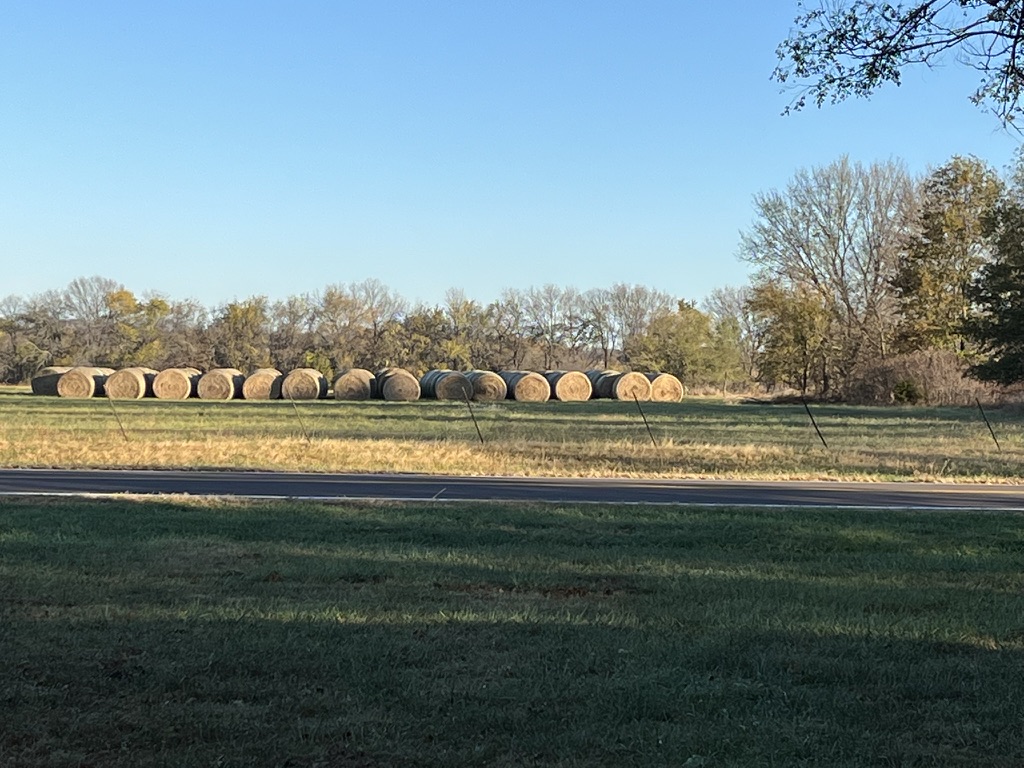
Round hay bales lined up along the field at High Linn Farms

Managing Fescue Hay Ground and CRP Native Grass in Kansas

Tall fescue and native grass CRP make up the backbone of many southeast Kansas operations — including ours at High Linn Farms. They're low-input and resilient, but they reward the landowner who pays attention to timing, fertility, and the occasional reset. Here's what we've learned managing both.

Tall Fescue — Workhorse of the Southeast Kansas Hayfield

Tall fescue dominates hay ground across southeast Kansas for good reason — it's tough, drought-tolerant once established, and comes on early in spring when other grasses are still dormant. A well-managed fescue stand can produce quality hay for decades without reseeding if you respect a few basics.

The biggest management decision each year is the first cutting date. Cut too early and you're sacrificing yield; wait too long and quality drops fast as the seed heads emerge and stems lignify. For most of southeast Kansas, that first cutting window falls in late May to early June — right at boot stage to early heading. Watch the plants, not the calendar.

One thing worth knowing about fescue: a large percentage of older established stands harbor an endophyte fungus in the plant tissue. Endophyte-infected fescue can cause fescue toxicosis in cattle — reduced weight gains, rough hair coats, and heat stress. If you're running livestock on the same ground, it's worth having your stand tested. Novel endophyte and endophyte-free varieties are available if you ever need to renovate a stand.

Fertility — Don't Skip Potassium

Most landowners think nitrogen when they think hay fertility, and nitrogen matters — a split application of 60–80 lbs N per acre (half early spring, half after first cutting) supports good yields. But fescue hay removes substantial potassium with every cutting, and southeast Kansas soils often run short on K over time. A soil test every three years is the only way to know where you stand. Skimping on potassium is one of the most common reasons a once-productive fescue stand slowly goes thin.

CRP Native Grass — Managing for the Long Game

Native grass CRP acres — big bluestem, indiangrass, sideoats grama, and switchgrass — are fundamentally different from fescue and need to be managed differently. The goal isn't maximum yield; it's stand health and wildlife value maintained over the life of the contract and beyond.

The most important tool for native grass CRP is prescribed fire. Burning removes accumulated thatch, stimulates warm-season growth, and sets back the cool-season grasses and brush that try to encroach over time. In Kansas, late winter to early spring burns — February through mid-March — work best before the native grasses break dormancy. Always coordinate with your local FSA office and check county burning regulations before you light.

Burning requirements vary by contract. Older CRP contracts typically called for a burn every three to five years. Newer contracts signed in recent years have changed — our 2023 contract at High Linn Farms, for example, requires only one burn over the contract period, scheduled for 2028. If you're unsure what your contract requires, check with your local FSA office before you plan any burns. Following your contract terms matters for maintaining your annual payments.

If burning isn't practical on your acres, rotary mowing in late winter at a high cutting height (6–8 inches) is a reasonable substitute. It won't deliver the same results as fire but it knocks back the thatch and lets sunlight reach the soil surface where native grass seeds and emerging stems need it.

CRP and Wildlife — the Built-In Bonus

Well-managed native grass CRP is some of the best quail, pheasant, and deer habitat you can have. The key is diversity — patches of dense cover next to open areas, edge habitat where the grass meets timber or crop ground. Avoid the temptation to make it look "clean." A little brushy encroachment on the edges actually improves wildlife value. The goal is structure, not tidiness.

Leaving some acres unburned in any given year maintains that nesting and winter cover while you rotate fire through the rest of the stand over several years. Your local NRCS office can help develop a prescribed burn plan that fits your CRP contract requirements.

Brush Management — Before and After

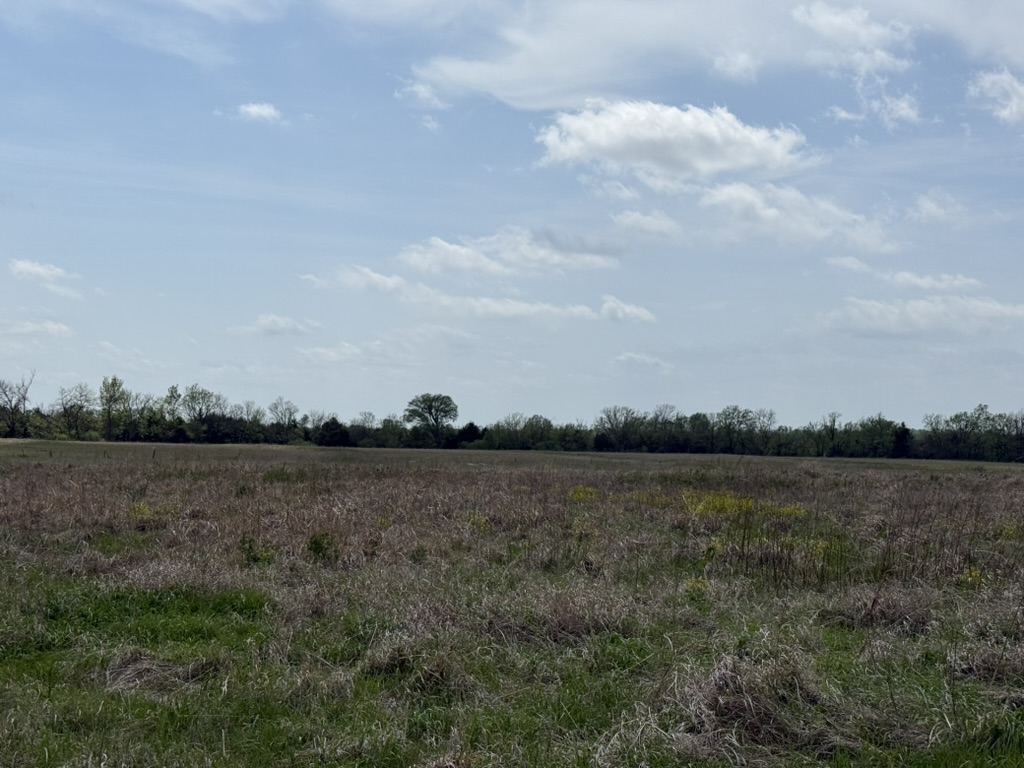
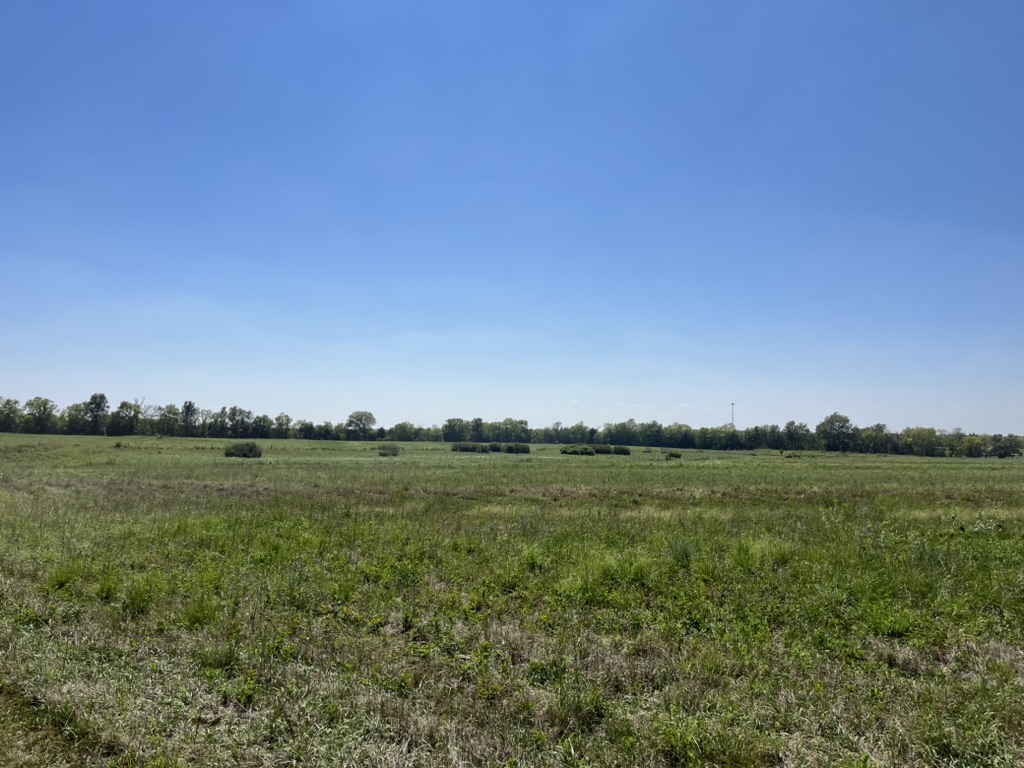
One of the ongoing challenges on native grass CRP is brush encroachment. Left unchecked, shrubs and woody growth crowd out the native grasses and reduce both productivity and wildlife habitat quality. The photos below show the west CRP fields at Prescott — first when brush had established itself throughout the stand, then today after years of clearing work. The result is clean, open ground from fence to treeline, with timber left standing only around the ponds where it belongs.

CRP native grass field with brush encroachment, Prescott property — before clearing
Before — west CRP fields at Prescott with brush encroachment throughout the stand (approx. 2021)
CRP native grass field fully cleared of brush, Prescott property — after clearing
After — same fields today, brush fully cleared and native grass restored fence to treeline

📚 K-State Extension Resources

Easter lilies in bloom at High Linn Farms, grown from church bulbs

Growing a Kansas Garden: Variety Selection and Timing

Kansas weather is generous in some ways and brutal in others. The right variety choices — matched to our short spring windows and punishing summer heat — can be the difference between a productive garden and a frustrating one. Here's what has worked on our ground, plus links to K-State's Kansas Garden Guide and their vetted list of recommended varieties.

📄 K-State Variety Guide (PDF)

Working With Kansas Weather, Not Against It

Gardening in southeast Kansas means you're managing two short growing windows separated by summer heat that can stall or kill cool-season crops entirely. Spring arrives fast — often a four to six week sprint between last frost and the first 90-degree days in June. Fall offers a longer, more forgiving run once the heat breaks in September. Plan your garden around those two windows and you'll eat well all season.

Heavy clay soils common in this part of Kansas hold moisture well but can compact and crust. Work in compost every year you can and avoid tilling when the ground is wet. Raised beds or even just mounded rows make a meaningful difference in drainage and early-season soil warmth.

Cool-Season Crops (Plant Early and Again in Late Summer)

These are your first plants in the ground each spring — typically late February through March for transplants, or direct-seeded as soon as the soil can be worked. They'll tolerate a light frost and actually taste better after one.

  • Lettuce & Spinach — direct seed early, harvest before heat bolts them. Plant again in late August for fall.
  • Broccoli & Cabbage — start transplants indoors 6–8 weeks before last frost. In Kansas, that means starting in January for a March set-out.
  • Radishes & Turnips — fastest return in the garden; plant every 2 weeks for a continuous harvest.
  • Peas — direct seed as soon as the ground thaws. Sugar snap varieties do especially well here.

Warm-Season Crops (The Heart of the Kansas Garden)

Don't be in a hurry to get warm-season crops in the ground. A late frost on transplants set out too early costs you more time than waiting. After Mother's Day is generally safe for tomatoes and peppers in southeast Kansas.

  • Tomatoes — heat-tolerant varieties like Celebrity, Heatmaster, and Solar Fire hold up better through July and August than many heirloom types. K-State's L41 guide lists tested performers for Kansas specifically.
  • Peppers — both sweet and hot peppers thrive once soil temps are up. They slow down in peak summer heat but bounce back in August.
  • Sweet Corn — plant in blocks rather than rows for good pollination. Kandy Korn and Incredible are reliable Kansas varieties.
  • Cucumbers & Squash — fast producers but need consistent moisture. Squash vine borers are a real problem here; row cover early in the season helps.
  • Green Beans — direct seed after last frost. Bush types are easier to manage; plant every 2–3 weeks for a continuous harvest through early summer.
  • Melons — watermelon and cantaloupe love Kansas heat. Give them room and they'll reward you; Crimson Sweet watermelon does particularly well.

The Value of Variety Selection

Not all tomatoes are the same in Kansas heat, and not all sweet corn matures fast enough before the heat shuts it down. This is where K-State's recommended variety list earns its keep — it's built from actual Kansas trial data, not national seed catalog marketing. Before you order seeds each year, it's worth a look at their current list to see what's been tested in conditions closest to yours.

The L41 publication covers tomatoes, peppers, cucumbers, squash, sweet corn, muskmelon, watermelon, beans, broccoli, cabbage, lettuce, and more — all ranked and described for Kansas performance.

Beyond the Vegetable Garden

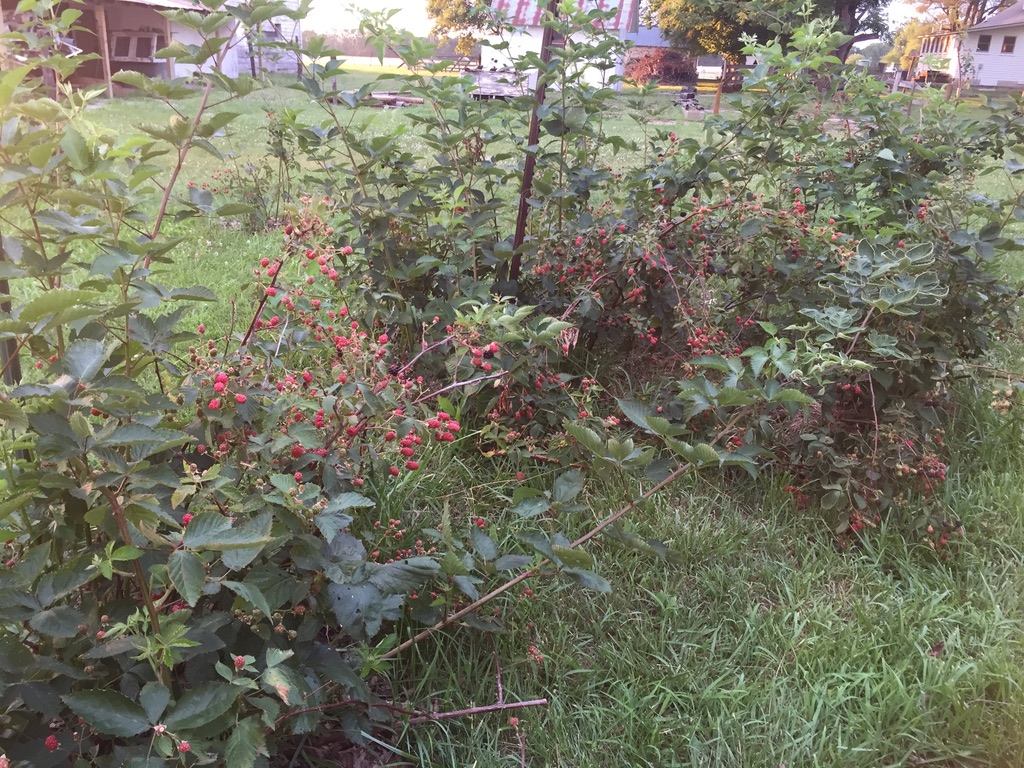
The orchard at Prescott includes a well-established blackberry patch that produces heavily each summer. Blackberries are about as low-maintenance as fruit gets in Kansas — plant them once, keep them cut back in late winter, and they'll reward you with a solid harvest year after year. Ours come in around late June into July depending on the season.

Blackberry bushes loaded with ripening berries in the Prescott orchard
Blackberries ripening in the Prescott orchard — heavy producers every summer

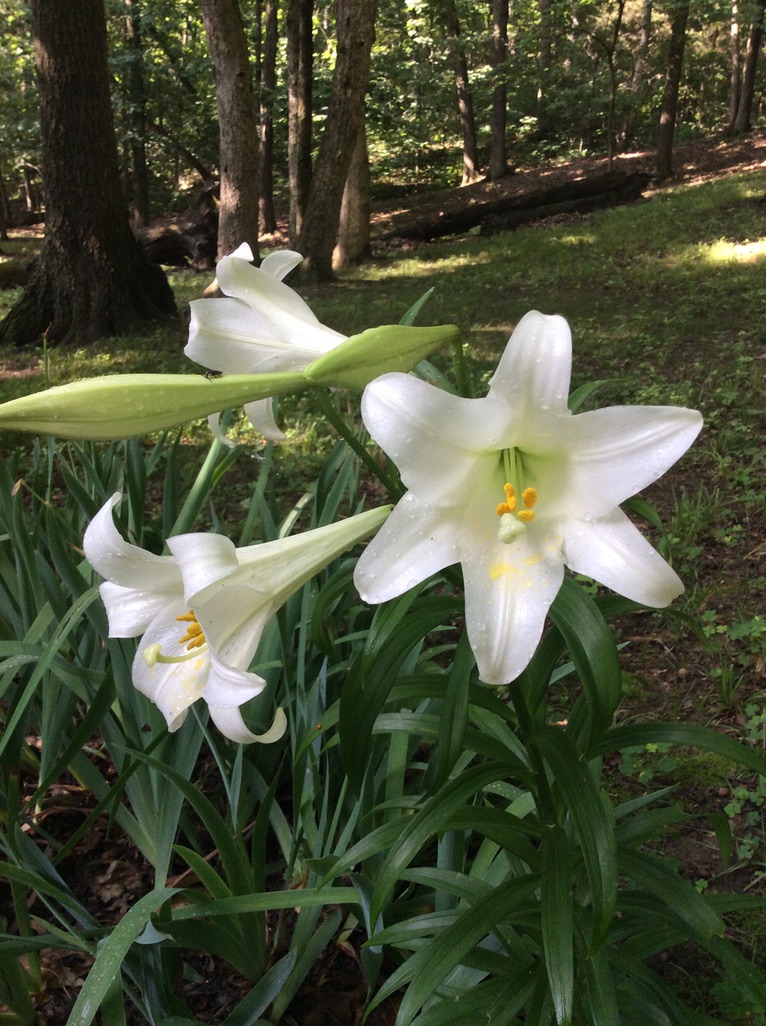
On the ornamental side, one of the more rewarding things growing on the property is a patch of Easter lilies — started from bulbs salvaged from potted church plants after Easter. Most people throw those pots away once the blooms fade, but the bulbs are perfectly viable. Plant them outside after the last frost, let the foliage die back naturally, and they'll multiply and come back stronger each spring. Ours are now well established and come up reliably every year.

Easter lilies in full bloom, grown from church bulbs at High Linn Farms
Easter lilies grown from church plant bulbs — a simple tradition that pays off every spring

📚 K-State Extension Resources

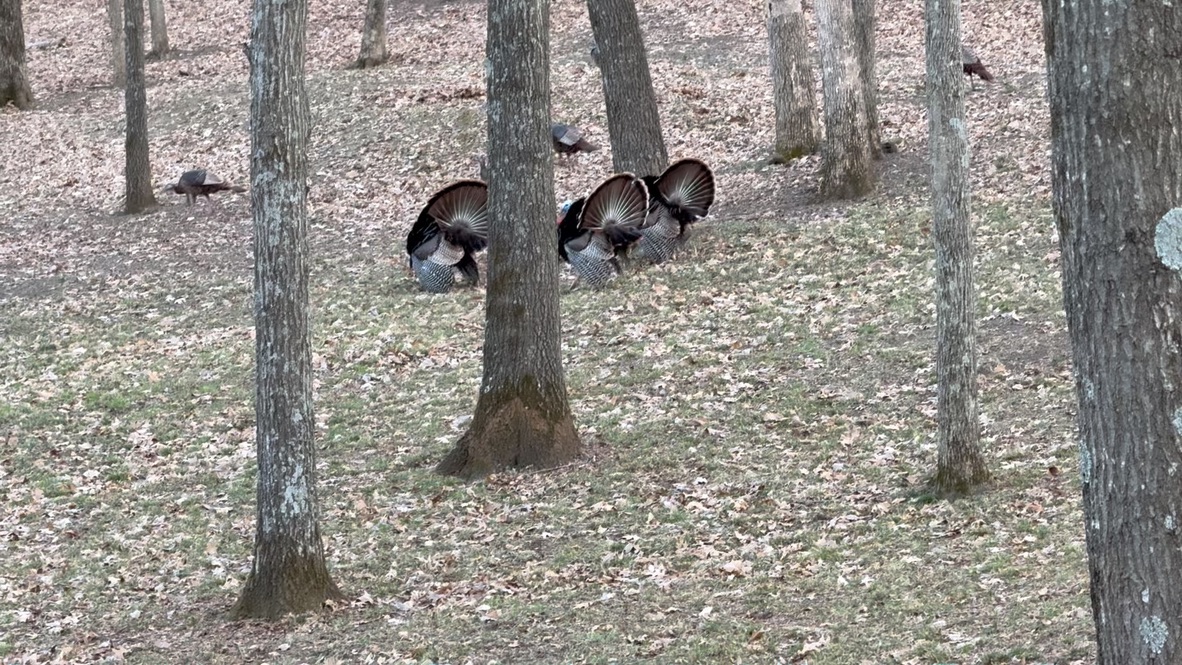
Two Eastern wild turkey gobblers strutting in the timber at Pleasanton

Deer and Turkey on Southeast Kansas Land — What We See at High Linn Farms

Some of the best moments on this land have nothing to do with a tractor or a fence post. A flock of Eastern wild turkeys working through the yard at dawn, or a line of deer moving along the timber edge at dusk — that's what keeps you coming back outside. Here's what we've learned about living alongside deer and turkey in southeast Kansas.

Eastern Wild Turkey — A Southeast Kansas Treasure Worth Protecting

The turkeys at High Linn Farms are Eastern wild turkeys — the subspecies native to the timber and mixed-ground country of eastern Kansas. They're different animals from the Rio Grande turkeys found across central and western Kansas, with a preference for wooded river bottoms, timber edges, and open fields within easy walking distance of tall trees for roosting.

What makes watching them special — and what most people don't realize — is that Eastern wild turkey populations in Kansas have been declining since they peaked around 2008. Habitat loss and poor nest survival are the main culprits. Having a healthy flock working through your property is not something to take for granted. The combination of timber, open ground, and native grass on a property like ours gives them nearly everything they need.

Spring is when they put on a show. Gobblers start sounding off before first light, sometimes from the roost, and the sound carries a long way on a still morning. Flocks of hens move through in loose groups, scratching for insects and mast in the leaf litter at the timber edge. By midsummer the broods of poults — young turkeys — start appearing with the hens, often in open grassy areas where they can find the insects they depend on in their first weeks of life.

What Keeps Turkeys Around

Turkeys need three things within reasonable distance of each other: roosting trees (tall hardwoods near water are ideal), open feeding areas, and protective cover for nesting and brood-rearing. Native grass CRP and timber edges check most of those boxes. A few things that help:

  • Leave the timber edges alone — brushy transition zones between open ground and timber are prime travel corridors and nesting spots.
  • Native grass patches — warm-season native grasses hold insects through summer, which is critical for poult survival in the first few weeks.
  • Minimize disturbance during nesting — hens nest on the ground from late April through June. Avoid mowing or heavy equipment in likely nesting areas during that window.
  • Water nearby — ponds and creek drainages within the home range keep flocks from moving on.

Deer — Beautiful and Worth Watching Carefully

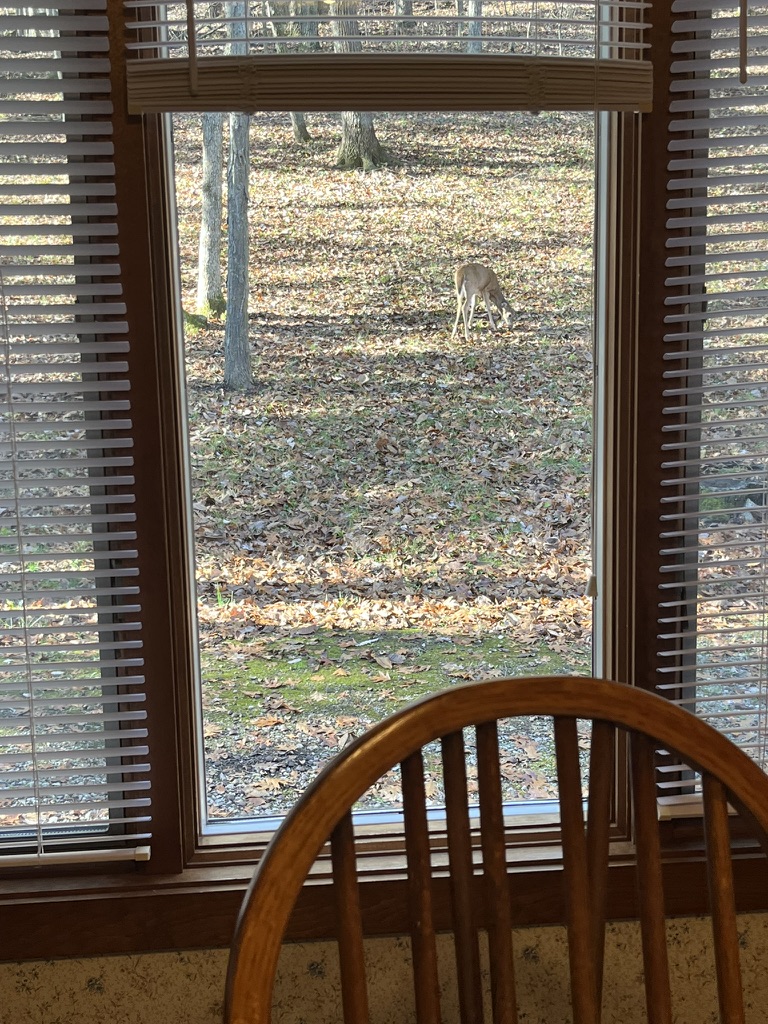
White-tailed deer grazing outside the dining room window at the Pleasanton cabin
Breakfast with a view — deer grazing outside the dining room window at Pleasanton

White-tailed deer are a constant presence on southeast Kansas land, and at High Linn Farms we enjoy watching them — particularly in the early morning and evening hours when they move along the timber edges and through the fields. A doe with fawns in early summer is one of those sights that never gets old.

That said, deer and vehicles are a serious combination. Southeast Kansas has some of the highest deer-vehicle collision rates in the state, peaking in October and November during the rut when bucks are moving unpredictably at all hours. A few things worth keeping in mind if you're driving rural roads in the area:

  • Most deer-vehicle accidents happen at dawn and dusk — slow down and scan the roadsides during those windows.
  • Where you see one deer cross, expect more behind it. They rarely travel alone.
  • The rut (late October through mid-November) is peak risk. Bucks follow does across roads without hesitation.
  • High beams help on unlit rural roads — you'll see the eye shine well before the deer steps out.

On the property itself, deer cause relatively little trouble and a great deal of pleasure. Early summer velvet bucks are a particular treat — they're calm, unhurried, and often visible in fields well before dark.

Habitat That Works for Both Species

One of the things we appreciate about the mix of timber, native grass CRP, hay ground, and ponds at High Linn Farms is that it naturally supports both deer and turkey without any special effort. The timber provides deer bedding and turkey roosting. The field edges and CRP grass support feeding and nesting. The ponds draw both species in dry spells. Managing the land well for one tends to benefit the other — which is a good reminder that healthy habitat pays dividends in more ways than one.

📚 Resources

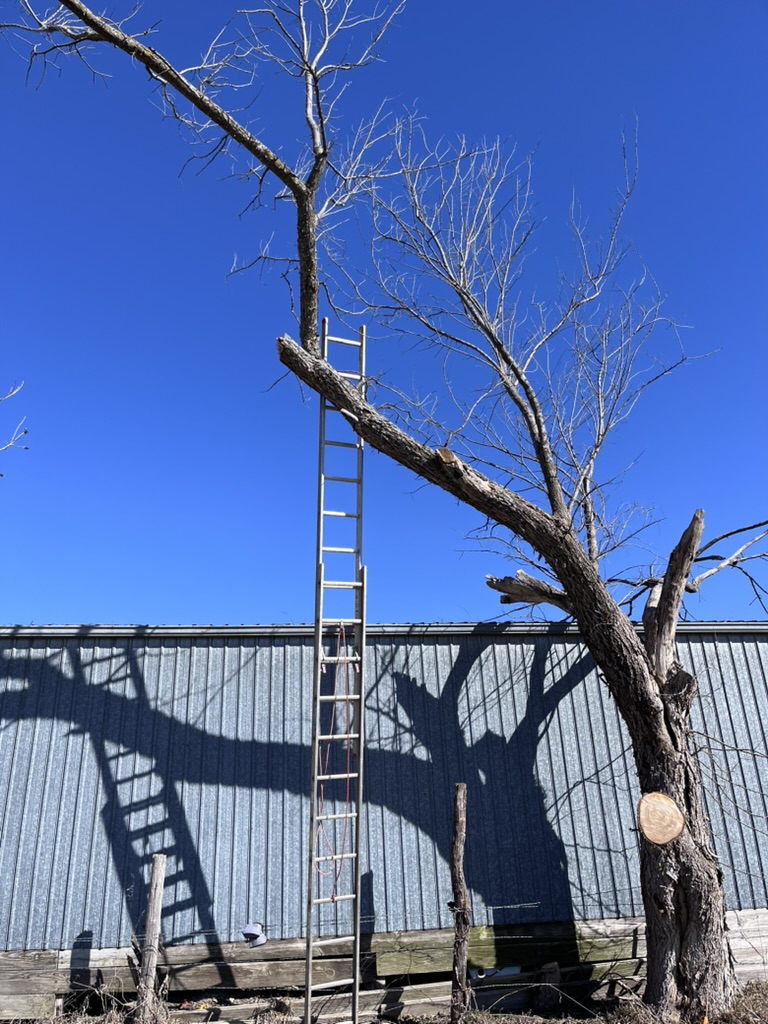
Tall ladder leaning against a dead tree next to a barn at High Linn Farms

The Lighter Side of Farming

Not every moment on the farm belongs in a land management guide. Some of them belong here instead.

There's a version of farm life that looks great in photos — golden light, hay bales, peaceful ponds. Then there's the version that actually happens. We're partial to both.

Very tall ladder leaning against a dead tree beside a barn — High Linn Farms
"What did you say the life expectancy of a farmer was???"
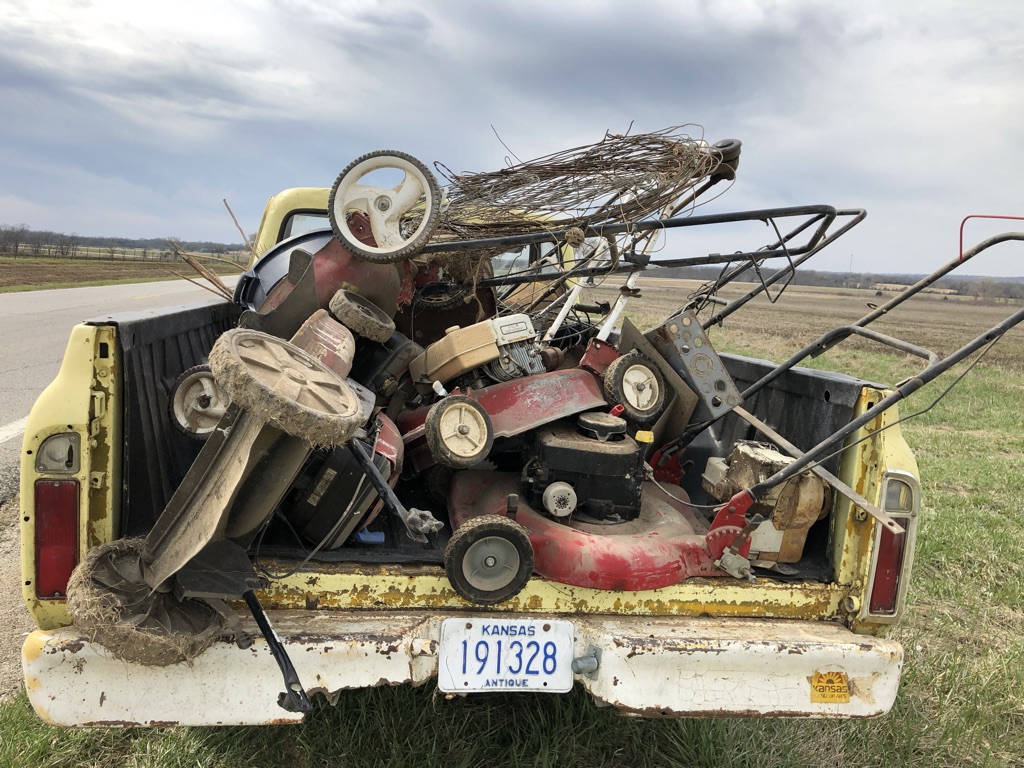
Antique Kansas truck bed loaded high with old broken lawn mowers — High Linn Farms
"Why yes, I do have several good lawn mowers for sale!"

More where these came from. Farming is serious work — until it isn't.

New articles added seasonally — check back often as we share more from the field.

Have a Question?

Don't see your topic covered? Send us your farm, garden, or land management question and we may feature it in a future article.

Send Us a Question